


Share This Post




By Liz Sherman
Survivor’s guilt is a complex and often unspoken emotional experience. It can happen when someone survives a life-threatening illness — like cancer — while others do not. Even in moments of relief or celebration, feelings of guilt, confusion, and sadness can quietly take hold.
For many cancer patients and survivors, joy and grief can exist at the same time.
This is my story.
During a recent appointment with my oncologist, another suspicious spot appeared — one that required a painful biopsy. For a week, I waited for the results, agonizing over every “what if.”
If the spot came back positive, this would be my 11th surgery in the most sensitive part of a woman’s body.
I cried. I couldn’t sleep. I couldn’t concentrate.
As a professor at Texas A&M University, I need to be clear-headed and focused. But surgeries take weeks — sometimes months — to recover from, not just physically but mentally. The pain can be unbearable.
I begged God for a good result.
So when my doctor called to say the biopsy was negative, all the tension I had been holding inside came rushing out. I cried — big tears. Tears of relief. Tears of exhaustion.
I wanted to celebrate. I wanted to share the good news with everyone — on Facebook, CaringBridge, Instagram.
But before I could, something stopped me.
I opened my computer and saw a post that a former colleague, Kim, had died of breast cancer.
Kim had been battling cancer for more than 15 years. I had even given her a Keith the Cat shirt once, and she told me how much she loved it. She fought for so long that I almost forgot how relentless cancer can be.
It can come back. Without warning. With a vengeance.
And this time, it took her life.
I didn’t post my good news.
Instead, I felt guilt.
An overwhelming, heavy guilt.
I scolded myself for feeling happy while someone else had just lost their life.

This wasn’t a new feeling. It’s something I’ve carried with me throughout my cancer journey.
I don’t look sick. I still have my hair. I haven’t lost weight. From the outside, no one would know what I’ve been through.
And when people say, “You don’t look sick,” I feel embarrassed — almost like I’m hiding something.
But the truth is, I live with the weight of what I’ve seen and experienced.
I had a brother who died of a brain tumor at age 7.
My mother, at 85, is currently fighting stage 4 ovarian cancer.
I know I am fortunate.
But even saying that feels wrong — because it suggests that those who didn’t survive were somehow less fortunate, less blessed.
And that thought creates a painful mental loop with no clear end.
This is survivor’s guilt.
What Is Survivor’s Guilt?
Survivor’s guilt is a recognized psychological response that can occur after surviving a traumatic event or serious illness. It’s especially common among cancer survivors.
According to MD Anderson Cancer Center [link], survivor’s guilt can include:
- Feeling undeserving of recovery or good news
- Comparing your journey to others who had worse outcomes
- Difficulty celebrating milestones
- Persistent thoughts of “Why me?”
Most importantly, these feelings are normal.
They are a natural response to experiencing both relief and loss at the same time.
Learning to Cope and Move Forward

I’ve learned that I can’t carry these thoughts alone.
Talking to a doctor has helped me process what I’m feeling. Naming it — calling it survivor’s guilt — has helped me understand that I’m not alone.
There are also practical ways to cope:
- Talk to someone you trust — a friend, therapist, or support group
- Practice stress-relieving activities like yoga, meditation, or exercise
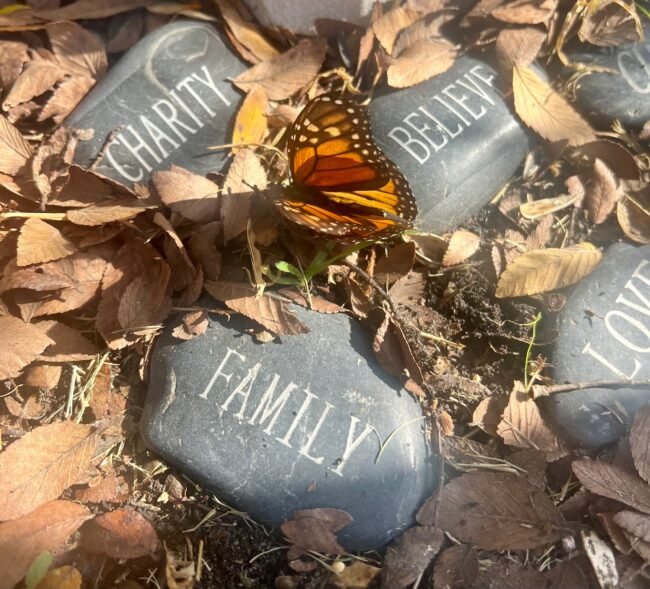
- Allow yourself to feel both joy and grief without judgment
- Acknowledge that life is not always fair — and that’s not your fault
And one of the most meaningful ways to cope?
Give back.
Finding Purpose Through Giving Back
For me, part of healing is paying it forward.
That might look like volunteering, offering encouragement to others, or simply sharing my story — even when it’s hard.
It’s also why organizations like Keith the Cat Foundation matter so much.
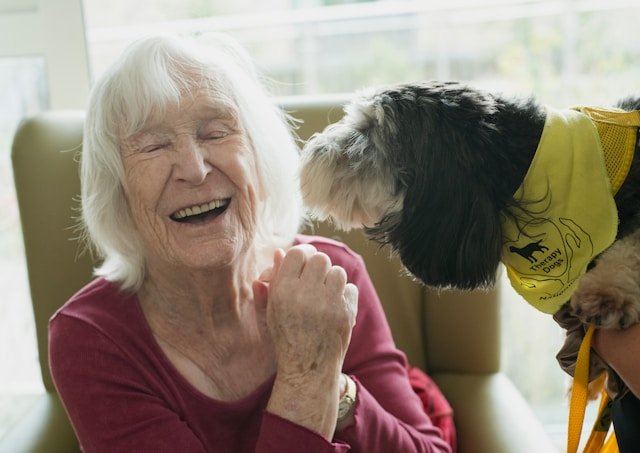
They remind people in the middle of their hardest days that they are not alone.
So if you need a reminder today — or if you know someone who does — wear your Keith the Cat shirt proudly.
Let it be a symbol of connection, compassion, and shared strength.
Because no matter where you are in your journey:
You are never alone.
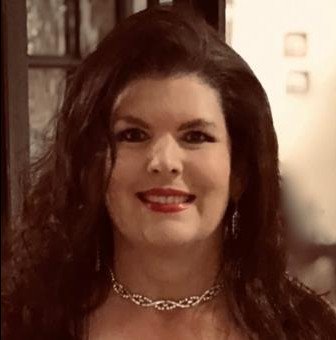
Liz Sherman- Founder of the Keith the Cat Foundation
Elizabeth “Liz” Sherman is a 1991 graduate of Texas A&M University and has worked for the Central Intelligence Agency (CIA) and the National Geospatial-Intelligence Agency (NGA) for the past 25 years. Liz was hired as an imagery intelligence analyst covering regional and counterterrorism issues mostly in the African and Latin American regions.
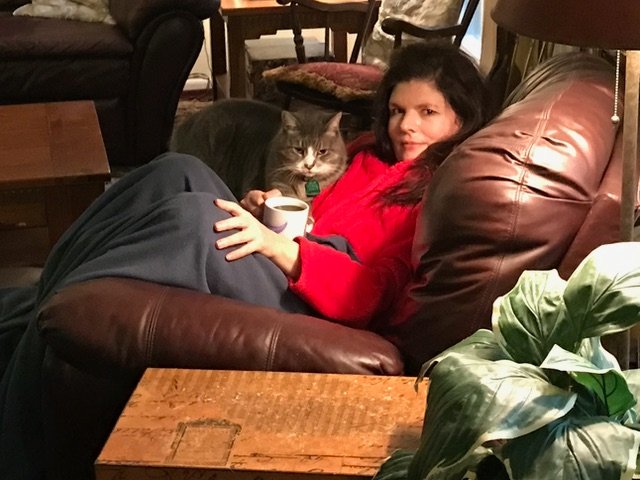
She started the Keith the Cat Foundation to help those who are fighting cancer or any illness or battle. Her rescue cat, Keith, helped her get through her own battle with cancer. He was her constant companion who knew when she needed cuddles.
Comments
If you’d like to reach out or leave us a comment, we’d ❤️ to hear from you — send us an email here or just follow this link to our Facebook page.