Asking for Help During Cancer: You Are Not Alone
A personal cancer story about emotional overwhelm, counseling, and why asking for help is not weakness—but an essential part of healing.
Share This Post




By Liz Sherman
Asking for help should be easy.
But for many people facing cancer, it feels almost impossible—especially when you’re vulnerable, scared, and trying to hold on to a sense of control.
Cancer takes so much from you. Independence. Certainty. Privacy. Strength you didn’t even realize you relied on. And yet, many of us still tell ourselves, “I can do this on my own.”
I was one of those people.
This is my story—and why I now believe that no one should face cancer alone.

Why Asking for Help During Cancer Feels So Hard
When I was diagnosed with cancer, I was adamant about not asking for help. I truly believed I could manage it myself. I didn’t want to burden anyone. I didn’t want pity. And I certainly didn’t want to admit how afraid I was.
As time went on, though, I relied more and more on my husband. He drove me to appointments, sat beside me while I cried, and cared for me when I felt sick and defeated. He became my safe place—the only person I trusted completely.
But even then, I could see the weight of my cancer on him. The worry never left his eyes. And still, I refused to widen my circle of support.
Looking back now, I see how isolated I had become—not because no one cared, but because I wouldn’t let anyone in.
My Breaking Point at MD Anderson
One day, I had a full slate of back-to-back appointments at MD Anderson in downtown Houston. Anyone who has been there knows how tightly scheduled those days can be. If you’re late to one appointment, it pushes everything else down the line.
I arrived early and waited. When I went to the lab for blood work and my EKG, the front desk staff told me that the only technician who could perform the EKG had gone on lunch break.
For reasons I couldn’t explain at the time, that moment set me off.
I tried to explain that I had arrived on time and that this delay would throw off my entire day. As I spoke, I could feel my frustration turning into anger—hot, uncontrollable anger. And then, in front of a waiting room full of other cancer patients, I lost it.
I shouted:
“I HAVE CANCER AND I NEED TO BE SEEN!”
The moment the words left my mouth, I realized what I had said. I turned around and looked at the room. I didn’t need anyone to say it out loud—I could feel what they were thinking:
“Lady, we all have cancer. Sit down and wait your turn.”
My husband stared at me with wide eyes. Frozen. Shocked.
I was mortified.
But what I didn’t understand then was that this outburst wasn’t really about an EKG or a lunch break. It was about fear, exhaustion, and the emotional toll of trying to be strong for too long.
When the Help Finds You
By the time I saw my oncologist, the front desk staff had already called ahead. His team sat me down and gently asked, “Are you okay?”
And for the first time, I told the truth.
I broke down and cried. I told them no—I was not okay.
They immediately scheduled an appointment for me with a counselor. I insisted I didn’t need one. They insisted that I did.
They were right.

How Cancer Counseling Changed My Life
A few days later, the counselor called me. I cried through most of that first session. Honestly, I cried through all of it. I didn’t have eloquent words or clear thoughts—just weeks of fear, grief, and exhaustion spilling out.
I’ve now been seeing my counselor for several months, and it has been one of the best decisions of my life.
She has helped me:
- Break down my fears instead of letting them overwhelm me
- Learn practical ways to cope with anxiety and uncertainty
- Give myself permission to not be “strong” all the time
She has truly been a lifesaver.
I often think about how much easier things might have been if I had asked for help earlier. But I also know that sometimes, we don’t realize we need help until we reach our breaking point.
Why Emotional Support Matters During Cancer
Cancer is more than a physical diagnosis. It affects your mind, your relationships, and your sense of identity. The fear can be constant. The uncertainty exhausting.
And yet, so many people try to carry it alone.
Here’s the truth I’ve learned the hard way:
You cannot—and should not—do this alone.
Support can come in many forms:
- A trusted friend or family member
- A professional counselor or therapist
- A cancer support group
- Your faith community
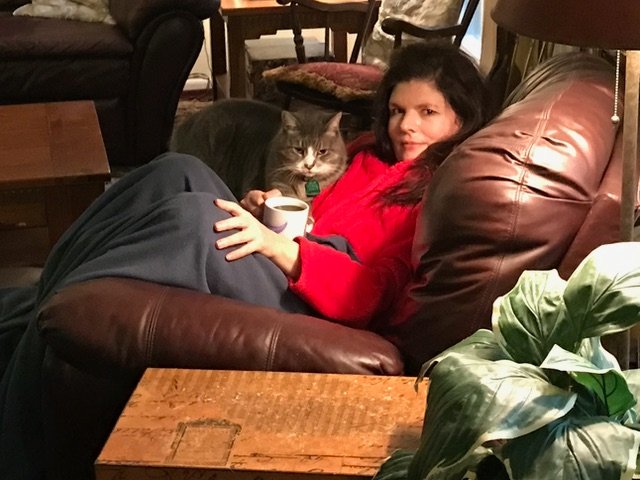
- Even your pet, who sits beside you without judgment
What matters most is that you allow yourself to be supported.

How to Ask for Help (Even If You Don’t Know How)
If you don’t know where to start, that’s okay. Asking for help doesn’t have to be complicated.
You can:
- Tell your doctor, “I’m not coping as well as I thought I would.”
- Ask your hospital’s oncology department about counseling or support services.
- Reach out to one person you trust and say, “I’m struggling.”
You don’t have to have the right words. You just have to be honest.
Cancer Support Resources Available Now
If you or someone you love is facing cancer, these organizations offer emotional support and counseling services:
- CancerCare – Professional counseling https://www.cancercare.org/counseling
- American Cancer Society – Psychosocial support and survivorship resources https://www.cancer.org/cancer/survivorship/coping/understanding-psychosocial-support-services.html
You can also:
- Ask your hospital’s oncology department for referrals
- Seek out local mental health agencies that specialize in cancer care
Help is available—and you deserve it.
You Are Not Meant to Do This Alone
Please know this: asking for help is not weakness. It is not failure. It is survival.
Cancer is scary. It is overwhelming. And no one should have to navigate it alone.
If this story resonates with you, talk to your doctor today about the support services available to you. Reach out to someone you trust. Let yourself be helped.
Even if that help comes from a counselor, a friend, a family member—or yes, even your cat.
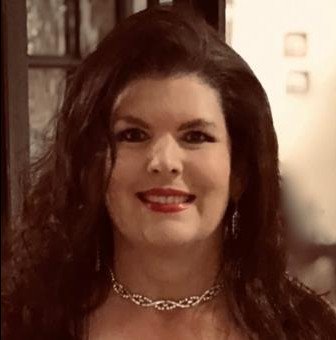
Liz Sherman- Founder of the Keith the Cat Foundation
Elizabeth “Liz” Sherman is a 1991 graduate of Texas A&M University and has worked for the Central Intelligence Agency (CIA) and the National Geospatial-Intelligence Agency (NGA) for the past 25 years. Liz was hired as an imagery intelligence analyst covering regional and counterterrorism issues mostly in the African and Latin American regions.
She started the Keith the Cat Foundation to help those who are fighting cancer or any illness or battle. Her rescue cat, Keith, helped her get through her own battle with cancer. He was her constant companion who knew when she needed cuddles.

We are a non-profit organization working towards helping those with cancer find comfort, support, and resources.

Comments
If you’d like to reach out or leave us a comment, we’d ❤️ to hear from you — send us an email here or just follow this link to our Facebook page.