Melanoma Isn’t Always from the Sun: Understanding Mucosal Melanoma
Most people think melanoma comes from the sun—but that’s not always true. My cancer started in a place I never imagined. Here’s why we need to pay attention to the areas of our bodies we rarely talk about, and why early detection matters more than we think.
Share This Post




By Liz Sherman

When I was first diagnosed with melanoma, many well-meaning people said things like, “Oh good, that’s the best cancer to get!” When I mentioned the melanoma was in the vulva, they often responded, “Wait…what? How? Did you lay out in the sun naked?” Some even asked what a vulva was. I would tell them to Google it—I could only explain so much!
Let me address a few things. No cancer is “the best cancer to get.” Many people assume melanoma is an easy skin cancer to remove, not realizing melanoma is actually the deadliest form of skin cancer. The most common types of skin cancers are basal cell and squamous cell carcinomas. These are typically found on sun-exposed skin and are usually curable if caught early. Melanoma, however, is less common and far more dangerous because it can spread quickly to other parts of the body.
Second, no—I never laid out in the sun naked (or clothed, for that matter). My melanoma is mucosal melanoma, a rare form that develops in the mucous membranes of the body, such as the mouth, nose, eyes, or genitals. It is not caused by sun exposure.
What to Look For
Symptoms vary depending on the location and may include unusual bleeding, lumps, pain, sores, or color changes. In my case, I started itching—a lot—and then noticed color changes in my vulva. I assumed it was related to hormones. Cancer never crossed my mind. Thank God my daughter convinced me to see a doctor when she did, because it could have easily spread if I had waited any longer.
Diagnosis is confirmed through a biopsy, and treatment options can include surgery, radiation, or systemic therapies. So far, I have had ten surgeries and one round of topical immunotherapy. I asked my doctor what caused this, and he said sometimes very healthy people get cancer—and sometimes there is simply no identifiable cause.
So please, don’t be embarrassed to ask your dentist, ophthalmologist, OB/GYN, or regular physician to check the parts of your body where “the sun don’t shine.” And for the parts that do see the sun—wear sunscreen!
We can’t control every type of cancer, but we can take steps to significantly reduce the most common risks. These skin cancer prevention reminders could literally save a life.
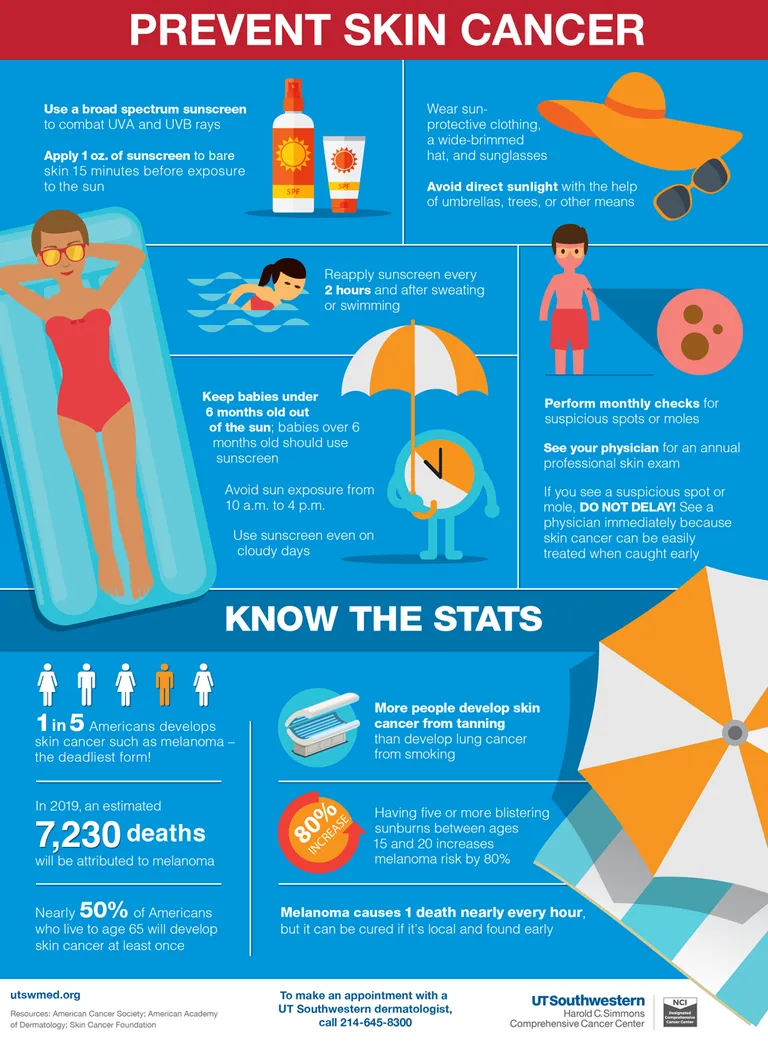
https://utswmed.org/medblog/skin-cancer-know-your-body
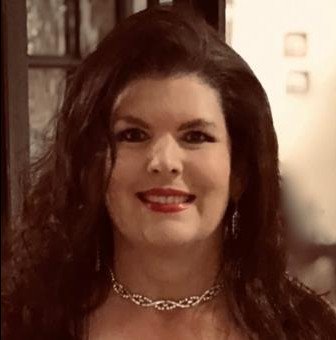
Liz Sherman- Founder of the Keith the Cat Foundation
Elizabeth “Liz” Sherman is a 1991 graduate of Texas A&M University and has worked for the Central Intelligence Agency (CIA) and the National Geospatial-Intelligence Agency (NGA) for the past 25 years. Liz was hired as an imagery intelligence analyst covering regional and counterterrorism issues mostly in the African and Latin American regions.
She started the Keith the Cat Foundation to help those who are fighting cancer or any illness or battle. Her rescue cat, Keith, helped her get through her own battle with cancer. He was her constant companion who knew when she needed cuddles.

We are a non-profit organization working towards helping those with cancer find comfort, support, and resources.